



9 Unique Features of Kombucha
Not only is it super refreshing and delicious, but thanks to natural fermentation, it is also quite special. To give you an idea of what sets kombucha apart from classic soft drinks and why this fermented tea drink is so unique, we present nine special features—from its tea base and fermentation to its distinctive taste.
Reason 1: Tea as a Natural Base
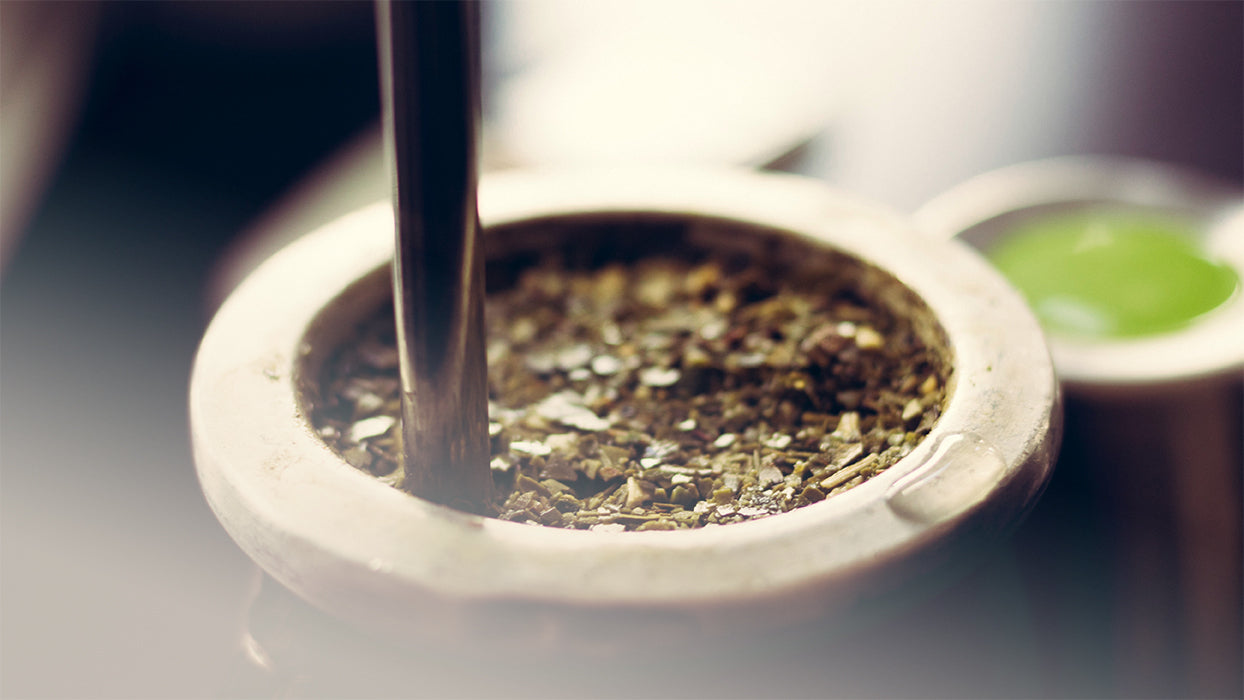
Kombucha is traditionally made from black or green tea. This gives the drink the characteristic aromas and natural plant compounds of the tea used.
Reason 2: Live Cultures
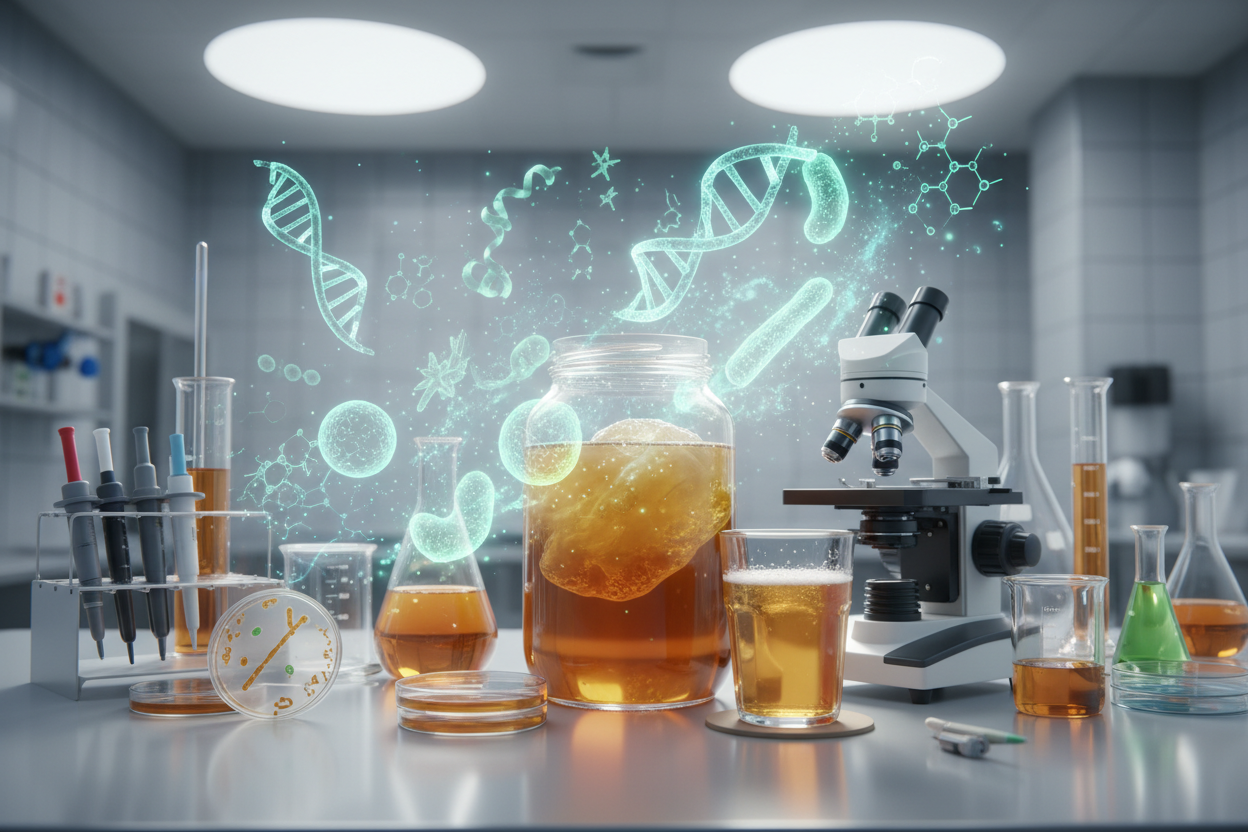
In raw and unpasteurized kombucha, bacteria and yeasts from the fermentation process may remain in the finished drink. Which microorganisms are present and in what quantities depends on several factors, including the culture, production method, and storage.
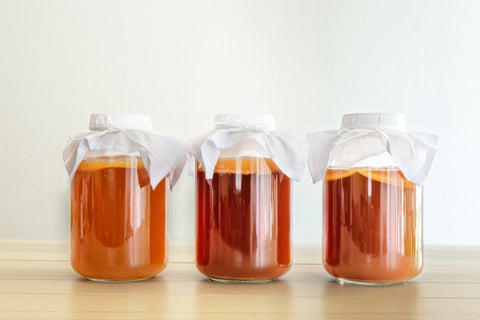
Reason 3: Natural Fermentation
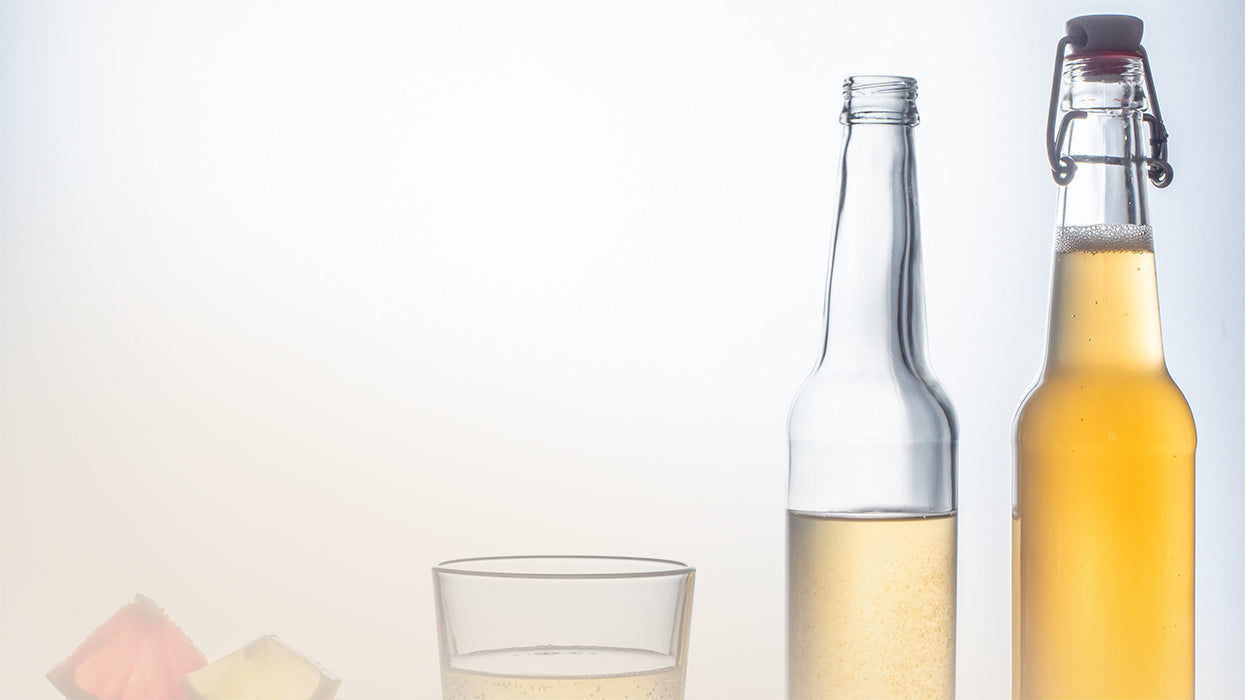
During fermentation, bacteria and yeasts metabolize components of the sweetened tea. This creates kombucha's characteristic sweet-tart flavor. The duration and conditions of fermentation influence how the aroma, acidity, and residual sugar develop.
Reason 4: Organic Acids
Various organic acids can develop during fermentation. Acetic acid, in particular, is highly characteristic and contributes to the tart flavor profile. Which acids are present and in what concentrations depends on the production process.
Reason 5: Lower Sugar Is Possible
Some of the added sugar is metabolized during fermentation. The amount of residual sugar remaining in the finished kombucha depends heavily on the recipe and fermentation time. Therefore, kombucha does not automatically contain low levels of sugar—for a comparison, it is worth checking the nutritional information of the respective product.
Reason 6: Natural Plant Compounds from Tea
Black and green teas naturally contain polyphenols and other plant compounds. Their exact composition depends on the type of tea and how it is processed. How many of these compounds remain in the finished kombucha is also influenced by fermentation and further processing.
Reason 7: Raw or Pasteurized
Kombucha can be processed in different ways after fermentation. Raw kombucha remains unpasteurized, which means live microorganisms may be preserved in the finished drink. In pasteurized kombucha, microorganisms are reduced or inactivated through heat treatment. Which option is right for you depends on your personal preferences and the characteristics of the respective product.
Reason 8: Many Different Flavors
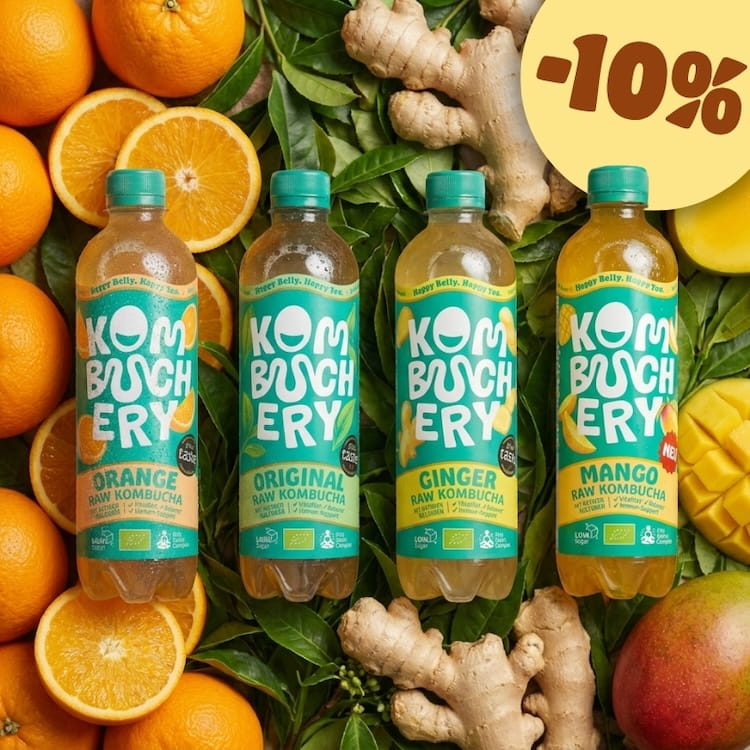
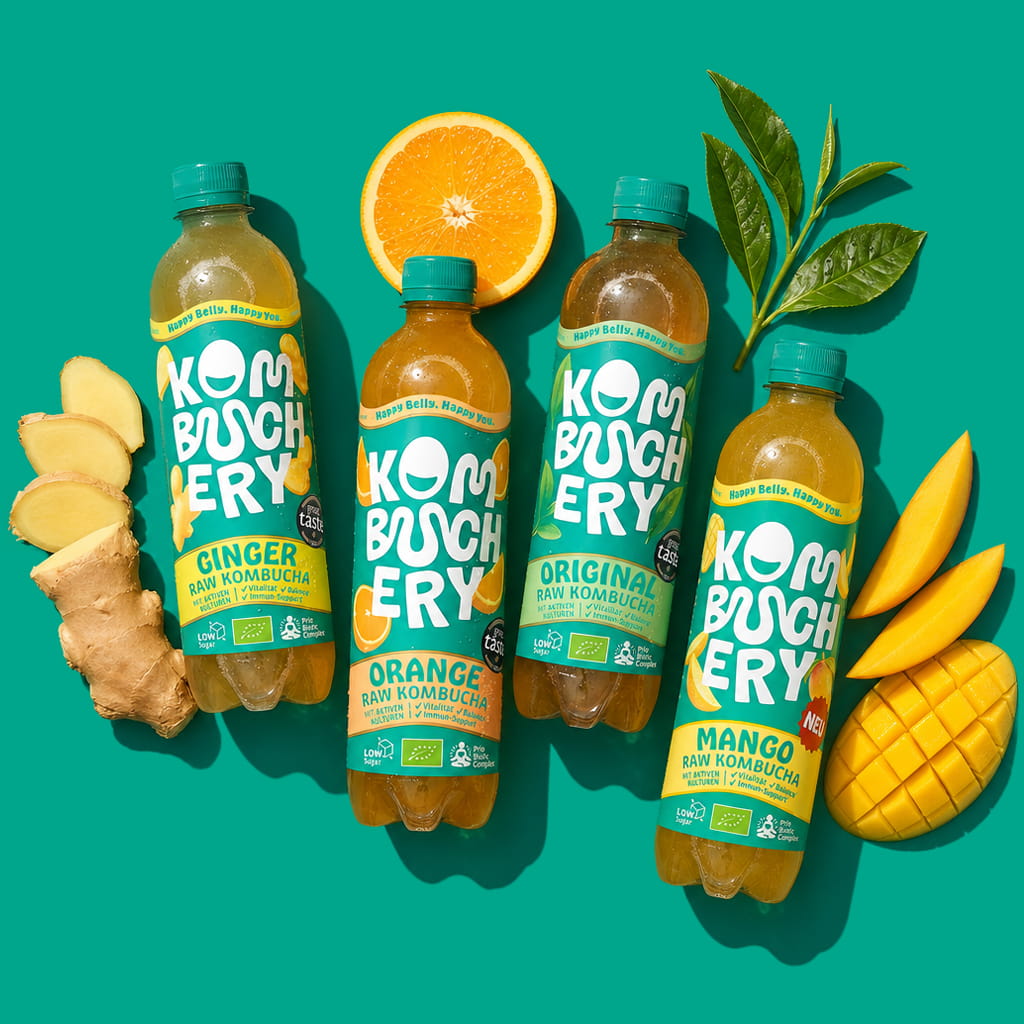
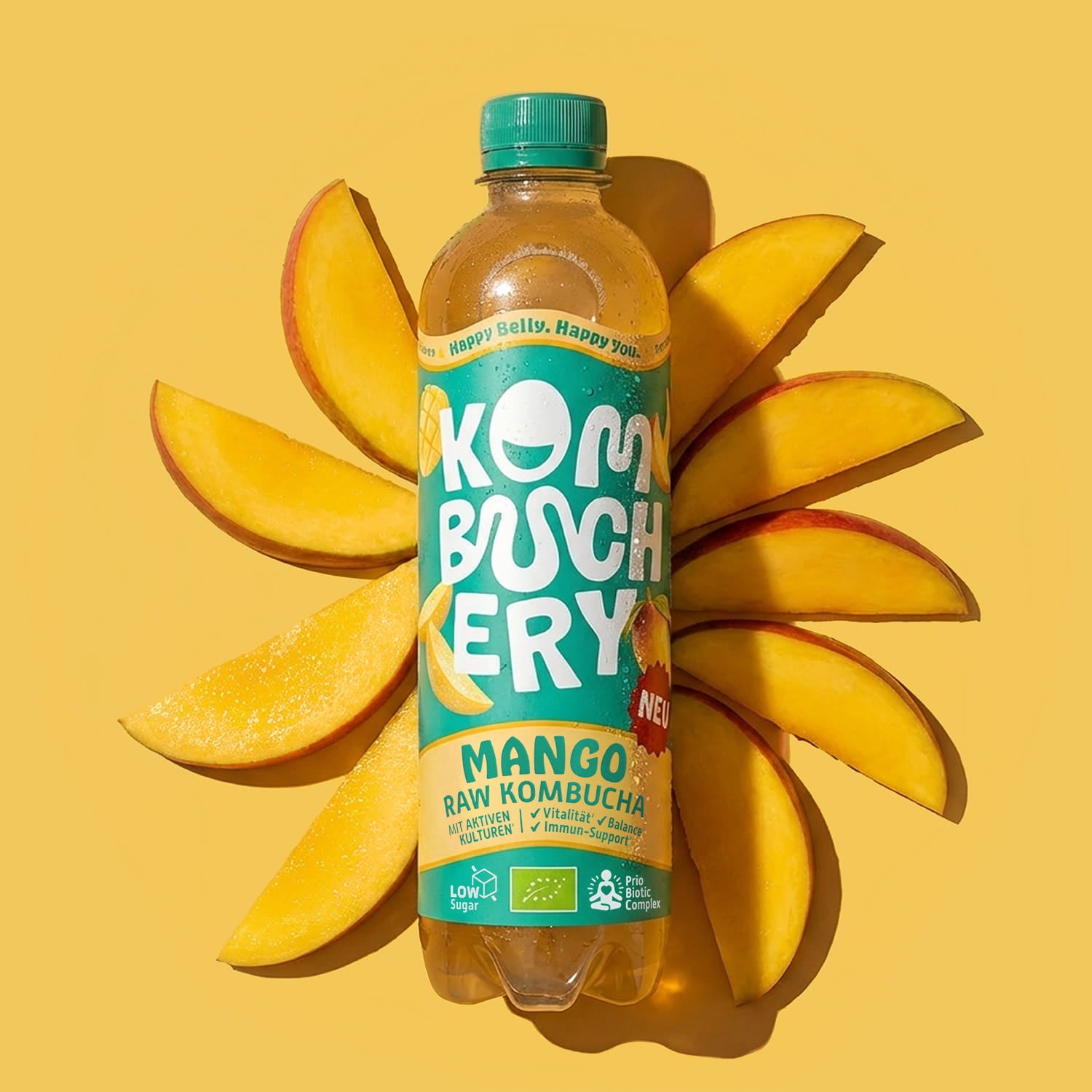
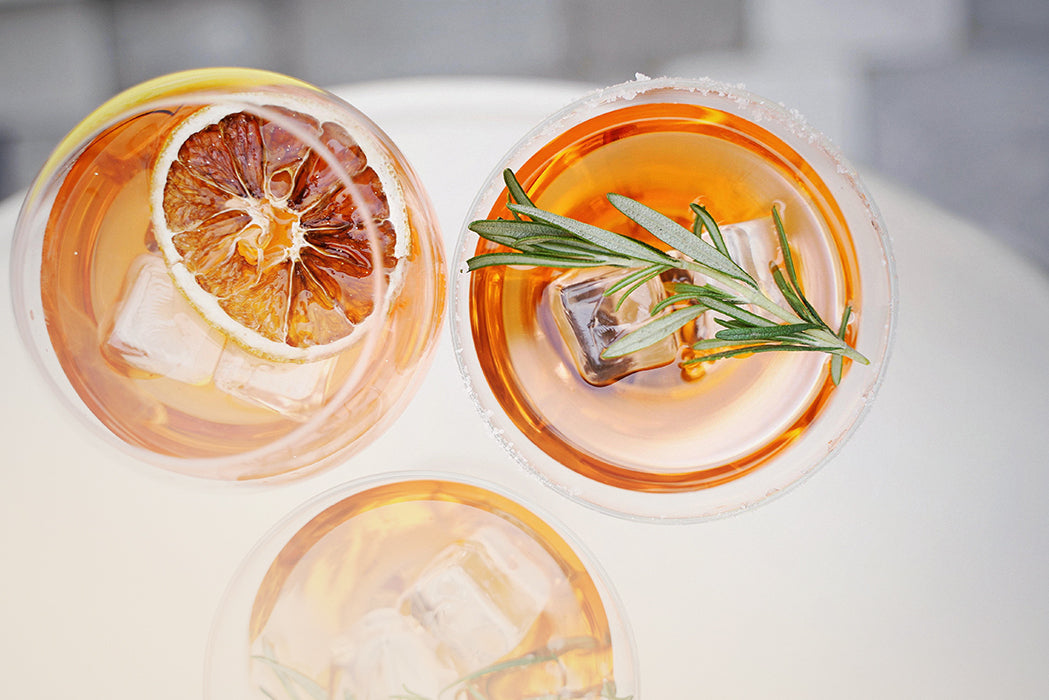
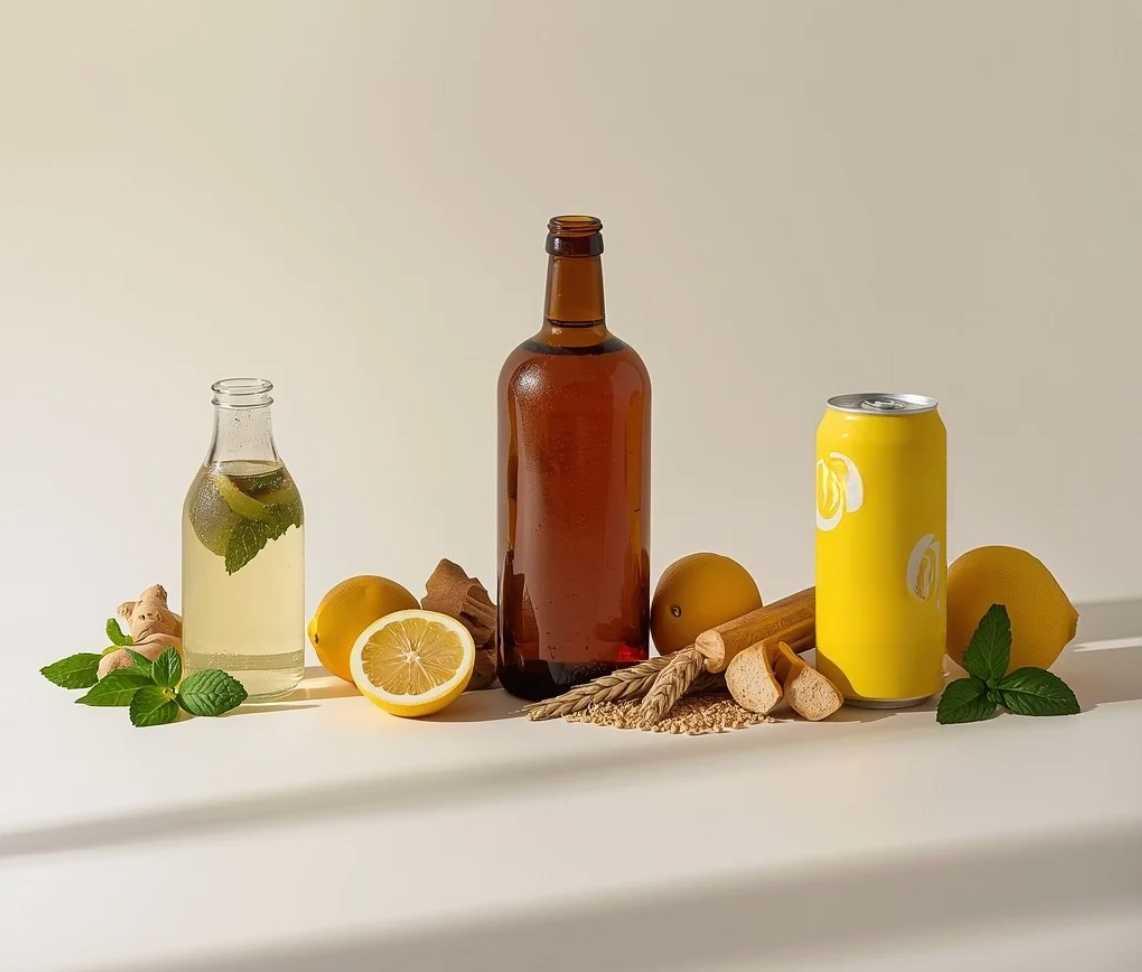
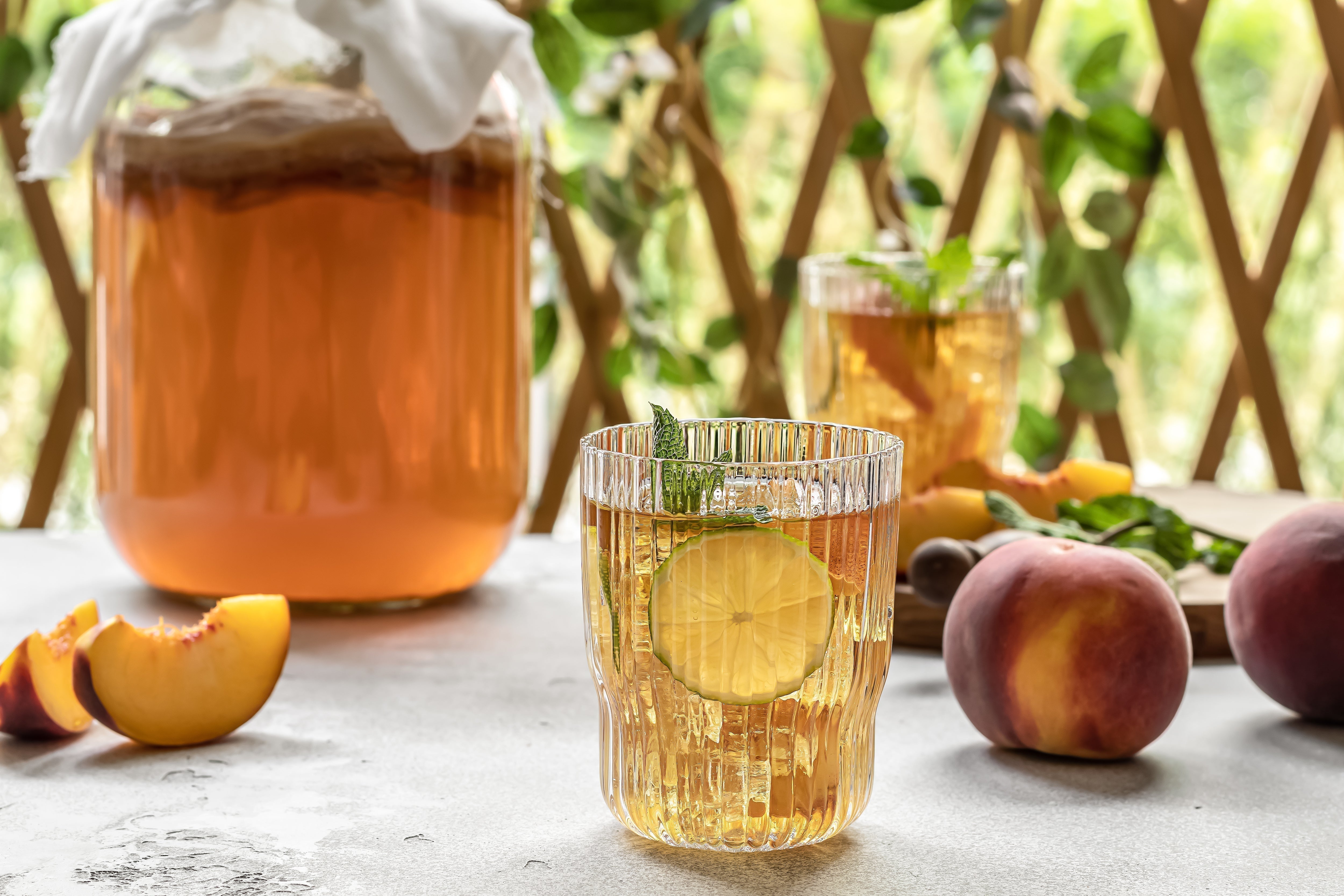
From classic green or black tea to ginger, mango, orange, herbs, and spices, kombucha can be made in a wide variety of flavors. The ingredients influence the aroma and balance of acidity, allowing for many different recipes.
Reason 9: Unique Taste
Slightly sweet yet also slightly tart, and surprisingly fizzy and refreshing: kombucha offers a versatile range of flavors. Depending on the recipe, it can taste sweet-tart, bitter, and fizzy, setting it apart from classic soft drinks.
Nine Unique Features of Kombucha at a Glance
Kombucha differs from many classic soft drinks primarily because of its tea base and fermentation. This process can produce microorganisms, organic acids, and a characteristic sweet-tart aroma. The residual sugar content and variety of flavors also depend on the respective recipe. If you want to buy kombucha, it is therefore worth checking the ingredients list, nutritional information, and processing details.
Frequently Asked Questions About Kombucha
What makes kombucha special?
Kombucha is a fermented tea drink. Its characteristic flavor is created by the interaction of yeasts and bacteria during fermentation. Depending on how it is made, microorganisms may also remain in the finished drink.
Is kombucha always low in sugar?
No. Some of the sugar is metabolized during fermentation, but the remaining amount varies depending on the recipe and production process. The nutritional information on the respective product provides details about the sugar content.
What is the difference between raw kombucha and pasteurized kombucha?
Raw kombucha is unpasteurized and may therefore contain live microorganisms. In pasteurized kombucha, microorganisms are reduced or inactivated by heat. The exact composition depends on the product and how it is processed.
What does kombucha taste like?
Kombucha usually tastes sweet-tart and, depending on the tea base and ingredients, can also be bitter or fruity. Fermentation influences the acidity and aroma. Ingredients such as ginger, citrus fruits, or berries provide additional flavor variations.
Is kombucha a probiotic drink?
Unpasteurized kombucha may contain live microorganisms. However, this alone does not prove that it has a probiotic effect. This must be scientifically proven for the microorganisms involved and the specific benefits claimed.




Share: