



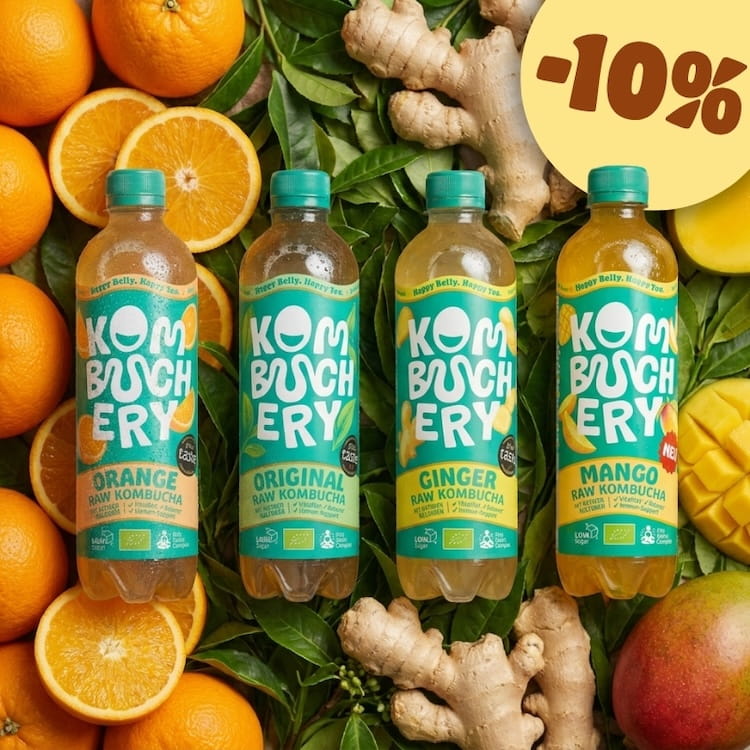
How can you tell if kombucha is good?
Kombucha can vary significantly depending on the ingredients, fermentation, and further processing. If you want to compare different products, the ingredients list and the information on the label will be helpful. We have compiled five criteria to look for when buying kombucha.
Checklist: 5 criteria for good kombucha
1. Unpasteurized
If living microorganisms are important to you, it is worth checking the manufacturer's information. During pasteurization, the beverage is heated, which can reduce or inactivate living microorganisms. Unpasteurized kombucha, on the other hand, may contain live cultures.
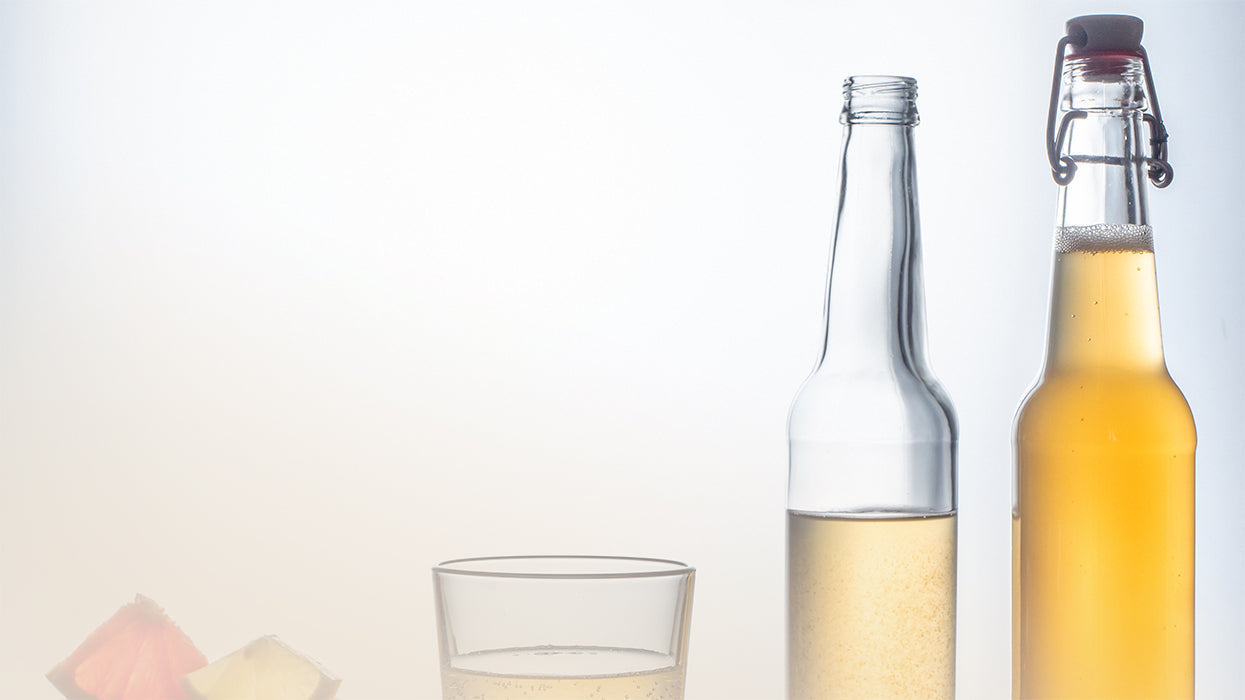
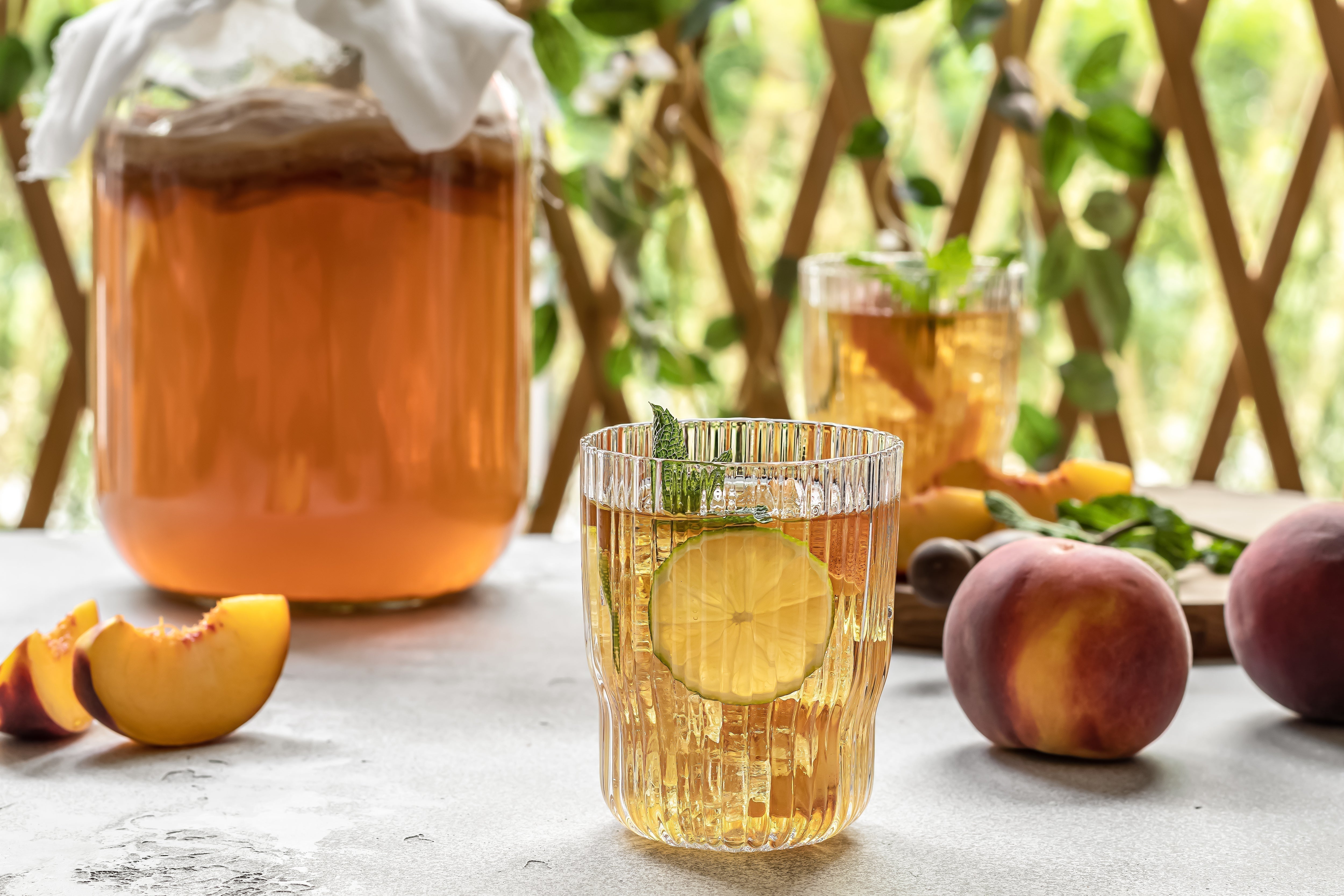
Depending on the product, cloudiness, sediment, or small accumulations of yeast and other components may be visible. However, appearance alone does not reliably indicate whether kombucha is unpasteurized or which microorganisms it contains. Therefore, look for clear statements such as "unpasteurized" or "not pasteurized" on the label or in the product information.
2. Ingredients list and order of ingredients
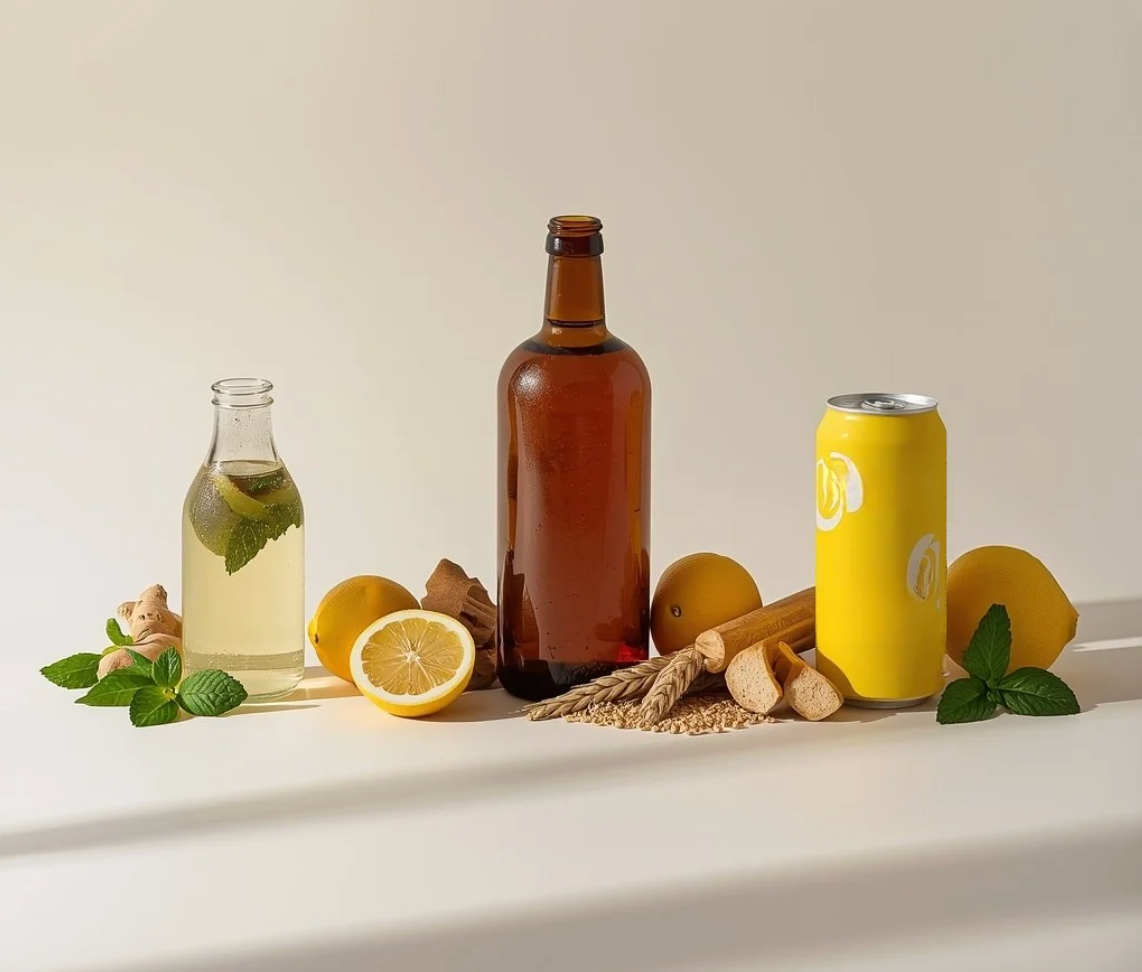
Looking at the ingredients list helps you compare different kombuchas. Classic kombucha is made from sweetened tea and fermented using a culture of bacteria and yeast. Depending on the recipe, other ingredients such as fruit juices, herbs, or spices may be added.
Ingredients are generally listed in descending order of their weight at the time of use. This helps you better assess which ingredients predominate in terms of quantity. Which recipe is best for you depends on your personal preferences and taste.
3. Organic ingredients and additives
If organic farming is important to you, you can look for a valid organic certification and the corresponding organic seal. The organic label indicates compliance with certain organic production requirements, but in itself is not proof of better taste or higher quality.
Also check the ingredients list if you prefer as simple a recipe as possible. Depending on the product, other ingredients or approved additives may be included in addition to the basic ingredients. What matters is which composition meets your expectations and whether the product information is transparent.
4. Fermentation and live cultures
Kombucha is produced by fermenting sweetened tea using a community of bacteria and yeast. Manufacturing processes and recipes may vary between products. Terms such as "fermented concentrate," acidifier, or additionally added cultures may indicate different recipes, but alone do not allow for a reliable statement about the entire production process or the quality of the beverage.
If the type of fermentation or live cultures are important to you, look for specific manufacturer information about production and pasteurization. The complete ingredients list also helps you compare products more effectively. However, the mere presence of living microorganisms does not automatically mean that a beverage can be classified as a probiotic.
5. Color, smell, and consistency
Color, smell, clarity, sweetness, and carbonation can vary depending on the type of tea, other ingredients, fermentation, and filtration. Cloudiness or sediment may also occur in some products. These characteristics are therefore not a reliable measure of the quality or pasteurization status of kombucha on their own.
If a beverage smells unusual, the packaging is damaged, or you notice other signs of spoilage, you should not classify it as safe solely based on an apparently typical cloudiness or effervescence. Follow the storage instructions and the manufacturer's information.





Share: